

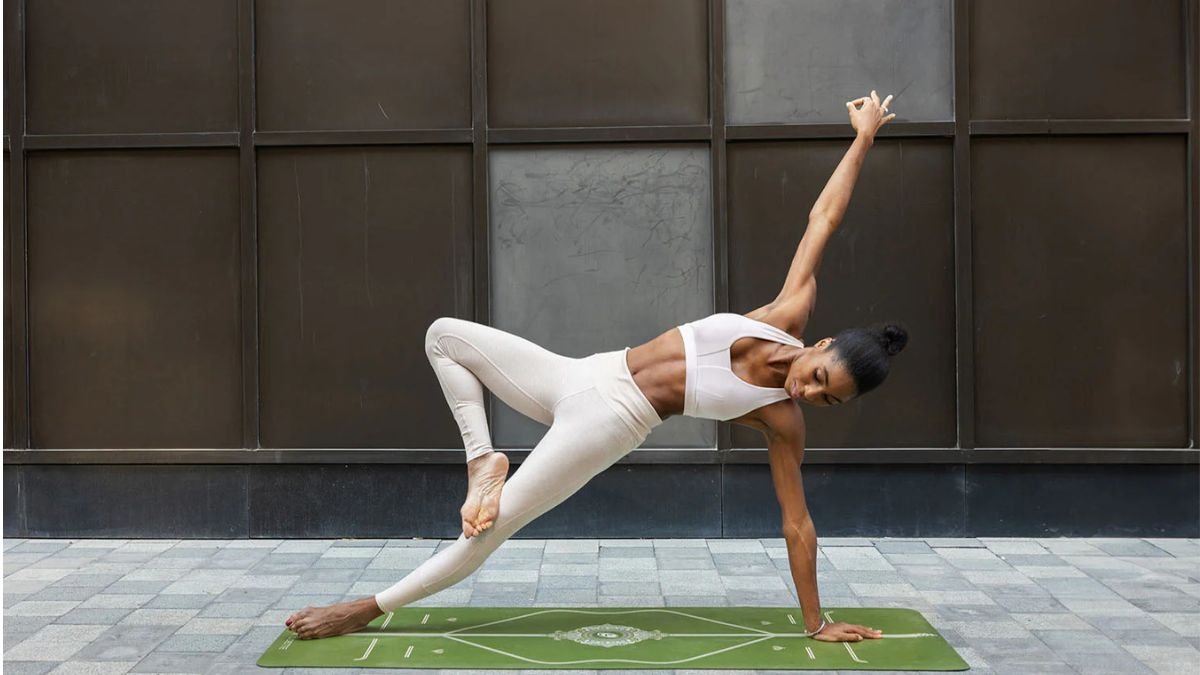
In today’s fast-paced world, where long hours of sitting and screen time have become the norm, maintaining flexibility and mobility is more important than ever. Yoga stretching offers a simple yet powerful way to keep the body active, reduce stiffness, and improve overall well-being. Unlike intense workouts, yoga focuses on gentle movements and controlled breathing, making it accessible to people of all ages and fitness levels.
Regular stretching through yoga not only helps in loosening tight muscles but also improves posture, enhances circulation, and promotes mental relaxation. Whether you are an office worker dealing with back pain or someone looking to stay active, incorporating yoga stretches into your routine can make a noticeable difference.
Understanding Mobility and Flexibility
Mobility and flexibility are often used interchangeably, but they are slightly different. Flexibility refers to the ability of muscles to stretch, while mobility involves the range of motion in your joints. Yoga helps improve both by combining movement with mindful breathing.
When your body becomes more mobile, everyday activities like bending, reaching, or walking become easier and more comfortable. Yoga stretching poses target various muscle groups, ensuring balanced development and reducing the risk of injuries.
Starting with Gentle Warm-Up Stretches
Before diving into deeper stretches, it is important to warm up the body. Gentle movements like neck rolls, shoulder rotations, and light twists prepare your muscles and joints for more intense poses.

A simple warm-up helps increase blood flow and reduces the chances of strain. It also allows you to connect with your breath, which is a key element in yoga practice. Taking a few minutes to warm up can significantly improve the effectiveness of your stretching routine.
Essential Yoga Poses for Stretching
There are several yoga poses that are particularly effective for improving mobility and flexibility. One of the most popular is Downward Facing Dog, which stretches the hamstrings, calves, and spine while strengthening the arms and shoulders.
Another beneficial pose is Child’s Pose, known for its calming effect and ability to gently stretch the lower back and hips. It is often used as a resting position during yoga sessions.
The cat-cow stretch is also highly effective for improving spinal flexibility. This flowing movement between two positions helps release tension in the back and enhances coordination between breath and movement.

For those looking to stretch the hips and legs, Low Lunge is an excellent choice. It targets the hip flexors and quadriceps, which often become tight due to prolonged sitting.
Benefits of Regular Yoga Stretching
Practicing yoga stretches regularly offers a wide range of benefits. Physically, it improves flexibility, increases range of motion, and reduces muscle stiffness. This can lead to better posture and a lower risk of injuries during daily activities or workouts.
Mentally, yoga promotes relaxation and reduces stress. The combination of deep breathing and mindful movement helps calm the mind, making it an effective tool for managing anxiety and improving focus.
Additionally, yoga stretching can enhance overall body awareness. As you become more in tune with your body, you can identify areas of tension and work on them more effectively.
Tips for Practicing Yoga Safely
While yoga is generally safe, it is important to practice it correctly to avoid injuries. Always listen to your body and avoid pushing yourself beyond your limits. Stretching should feel comfortable and slightly challenging, but never painful.
Maintaining proper alignment in each pose is crucial. If you are unsure about your posture, consider practicing in front of a mirror or following guided sessions.
Consistency is also key. Practicing for a few minutes every day is more beneficial than doing long sessions occasionally. Over time, you will notice gradual improvements in your flexibility and mobility.
Creating a Simple Daily Routine
Incorporating yoga stretching into your daily routine does not require a lot of time or space. A 10–15 minute session in the morning or evening can be enough to keep your body flexible and relaxed.
Start with a gentle warm-up, move on to a few key poses, and finish with a relaxing posture like Child’s Pose. Pairing your movements with deep, steady breathing will enhance the overall experience.
You can also customize your routine based on your needs. For example, if you experience tight hips, focus on poses that target that area. Over time, you can expand your routine to include more advanced stretches.
How Yoga Improves Long-Term Mobility
One of the greatest advantages of yoga stretching is its long-term impact. Unlike quick fixes, yoga builds flexibility and mobility gradually, leading to sustainable improvements.
As your body adapts to regular stretching, you may find that movements become smoother and less restricted. This can enhance your performance in other physical activities and improve your overall quality of life.
Moreover, maintaining good mobility as you age is essential for staying active and independent. Yoga provides a gentle yet effective way to achieve this goal.
Common Mistakes to Avoid
Many beginners make the mistake of rushing through poses or holding their breath while stretching. Both can reduce the effectiveness of the practice and increase the risk of injury.
Another common error is comparing yourself to others. Yoga is a personal journey, and progress varies from person to person. Focus on your own growth and celebrate small improvements.
Skipping warm-ups or ignoring discomfort can also lead to problems. Always prepare your body properly and respect its limits.
Conclusion
Yoga stretching poses offer an easy and effective way to improve mobility, flexibility, and overall well-being. With simple movements and consistent practice, anyone can experience the benefits of yoga, regardless of their fitness level.
By incorporating these easy poses into your daily routine, you can reduce stiffness, enhance your range of motion, and promote a sense of calm and balance in your life. Over time, yoga becomes more than just a physical exercise—it becomes a holistic approach to maintaining a healthy and active lifestyle.
FAQs
Q1. What are yoga stretching poses?
A. Simple exercises that improve flexibility and mobility.
Q2. How often should I do yoga stretching?
A. Daily or at least 3–4 times a week.
Q3. Can beginners do yoga stretching?
A. Yes, it is suitable for all fitness levels.
Q4. Does yoga help with stiffness?
A. Yes, it reduces muscle tightness and improves movement.
Q5. How long should a session be?
A. Around 10–20 minutes is enough.