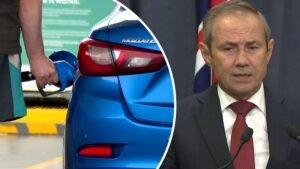


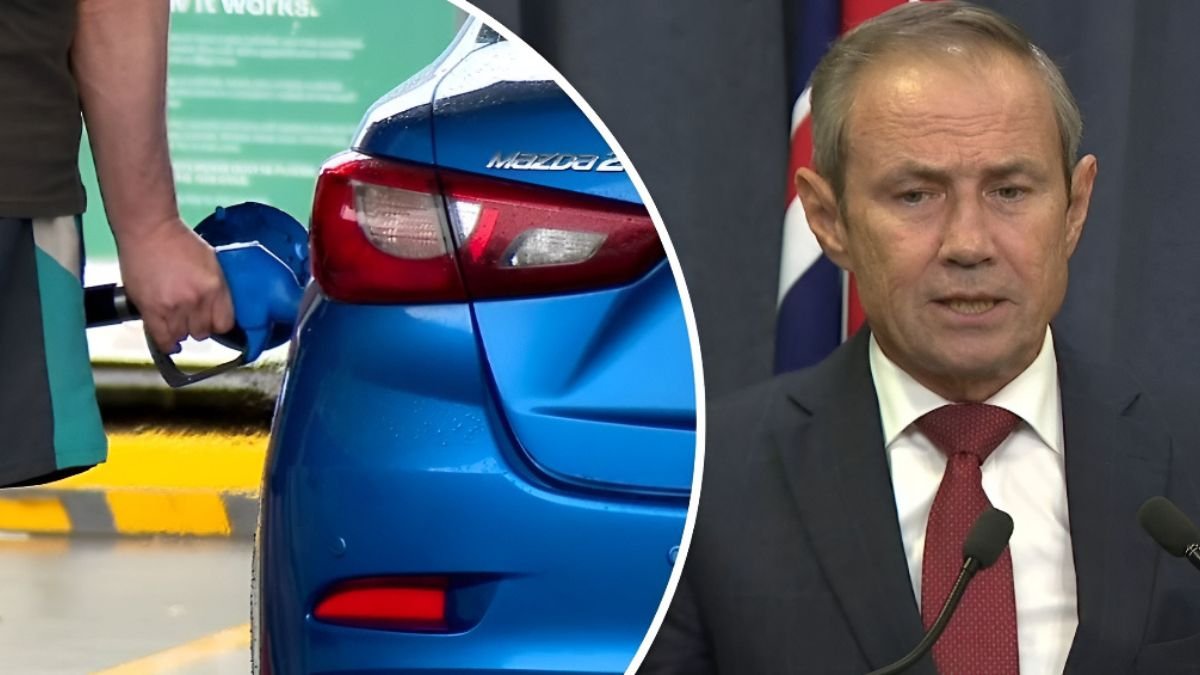
The impact of the ongoing tensions in the Middle East is now clearly becoming visible in fuel markets worldwide. Amidst this growing uncertainty, the Australian state of Western Australia has taken a significant step by invoking emergency powers to regulate fuel supplies. However, the country’s Prime Minister has appealed to citizens to remain calm and avoid panic.
This situation did not arise suddenly; rather, it stems from global supply chain disruptions and escalating tensions along key oil shipping routes. Consequently, the government’s primary objective is to ensure that the general public does not face any undue hardship.
Why Did the Government Invoke Emergency Powers?
Western Australian Premier Roger Cook clarified that this measure does not constitute a declaration of a “state of emergency” but rather involves the utilization of powers available under specific legislation. The purpose of these powers is to introduce transparency into the entire fuel supply process.
Energy Minister Amber-Jade Sanderson explained that the government often lacks information regarding where fuel is stored or the direction in which supplies are being routed. For this reason, it has now been made mandatory for suppliers to share data regarding their stock levels and distribution networks.

Strict Measures for Fuel Companies: Disclosure Now Mandatory
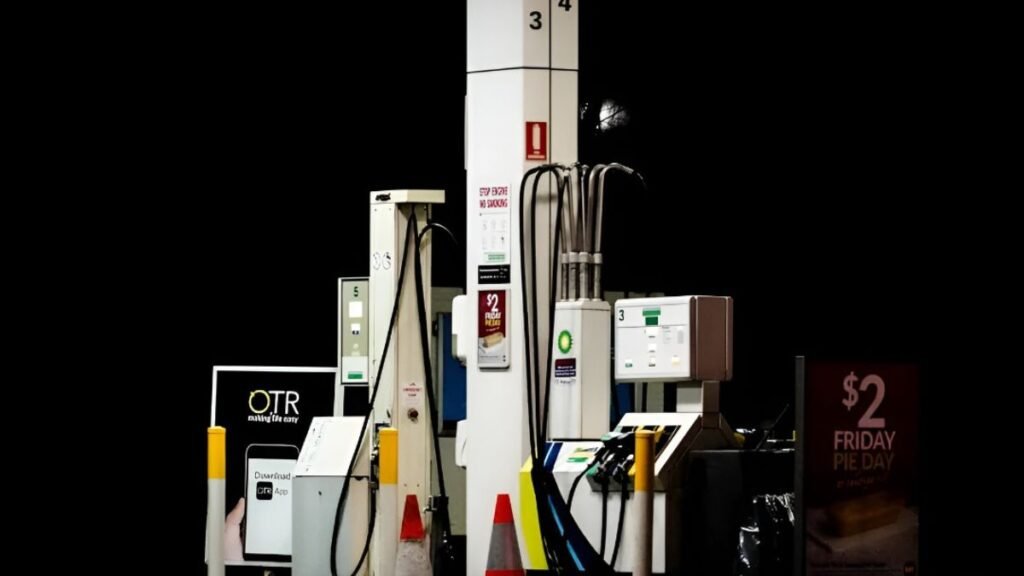
Under the new framework, fuel supply companies are required to submit comprehensive information to the government within 48 hours. Failure to comply could result in the imposition of heavy fines.
- Fines of up to $100,000 per day for companies
- Penalties of up to $10,000 per day for individuals
This step was taken because, despite previous requests, only a few companies had voluntarily shared the required information. The government maintains that managing the situation effectively becomes difficult without access to complete data.
How Will This Affect the General Public?
The government has clarified that these measures will not have a direct impact on ordinary citizens. This decision was made solely to facilitate better management of the supply chain, not to impose any restrictions on the public.
The premier stated that there is no need for the public to panic and that fuel availability will remain uninterrupted. The government’s sole focus is to ensure that fuel reaches areas of high demand in a timely manner.
The Onset of Relief in Fuel Prices
Amidst this crisis, there is also a piece of positive news: some relief is being observed in fuel prices. The central government has reduced the excise duty levied on fuel, resulting in a decline in prices.
- A reduction of approximately 7 cents per liter in gasoline prices
- A drop of approximately 10 cents per liter in diesel prices
- Further reductions are anticipated in the coming days.
Following this decision, long queues were witnessed at petrol pumps as people flocked to take advantage of the lower prices.
Heightened Police Surveillance
Given the apprehension regarding potential theft or civil disorder during the fuel crisis, the police have also stepped up their surveillance. Col Blanch stated that patrols at petrol pumps have been increased to prevent any form of irregularity.
The police remain in constant contact with fuel stations, and immediate action is being taken regarding any complaints received.
The Local Impact of a Global Crisis
The root cause of this entire unfolding situation lies in the escalating tensions in the Middle East—specifically in the region responsible for supplying a significant portion of the world’s oil. Disruptions to maritime shipping routes have impacted global oil prices and supply chains.
However, the Western Australian government’s initiative demonstrates that, even at the local level, a situation can be kept under control by making the right decisions in a timely fashion.

Conclusion
The emergency fuel powers implemented by Western Australia constitute a precautionary measure aimed at managing the situation before the crisis escalates. The government has clarified that this step was taken not to incite panic, but rather to ensure transparency and facilitate better management.
At a time when global circumstances are shifting rapidly, it is essential that the public remains calm and adheres to government directives. With proper planning and cooperation, challenges of this nature can be overcome with ease.
FAQs
Q. Why did Western Australia enact emergency fuel powers?
A. To improve transparency and manage fuel supply during the crisis.
Q. Is a state of emergency declared?
A. No, the government is only using specific emergency powers under an existing law.
Q. Will this affect fuel availability for the public?
A. No, the government says there will be no direct impact on consumers.
Q. What happens if suppliers don’t share information?
A. They can face heavy fines for not complying within 48 hours.
Q. Why are fuel prices changing?
A. Prices are affected by global tensions and government tax cuts on fuel.