


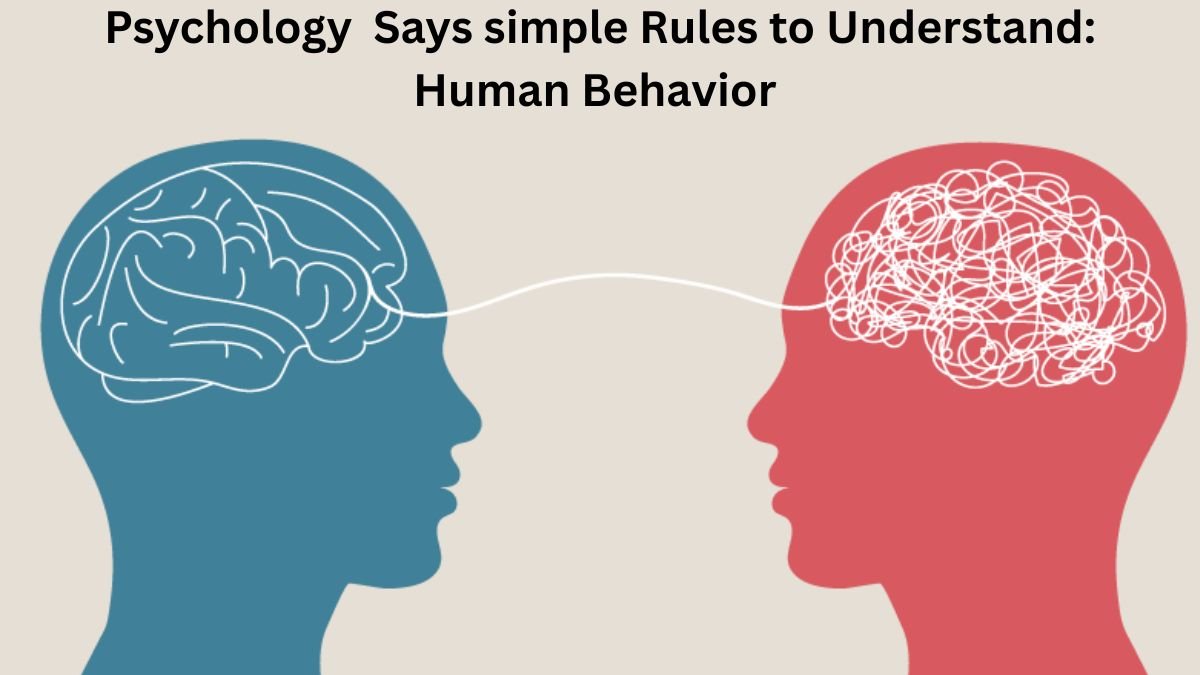
Understanding human behavior has always been a fascinating yet complex subject. Why do people react differently to the same situation? What drives decisions, emotions, and habits? While human psychology may seem complicated, there are simple “formulas” or patterns that can help decode how people think and behave. These aren’t strict mathematical equations but practical principles derived from psychological research and everyday observations. When applied thoughtfully, they can help you better understand yourself and the people around you.
The Idea Behind “Psychology Says” Formula
The phrase “psychology says” is often used to summarize insights about human behavior in a simplified way. These formulas are essentially patterns that explain why people act the way they do. For example, when someone receives appreciation, they are more likely to repeat the same behavior. Similarly, when people feel ignored or undervalued, they tend to withdraw or react negatively.
These patterns exist because the human brain is wired to seek comfort, avoid pain, and respond to social cues. By recognizing these tendencies, you can begin to predict behaviors and respond more effectively in different situations.

Rule 1: People Respond to How You Make Them Feel
One of the most powerful psychological principles is that people may forget what you said, but they rarely forget how you made them feel. Emotions play a central role in shaping human interactions. Positive feelings such as respect, appreciation, and kindness create stronger connections, while negative emotions can damage relationships.
When you understand this rule, you become more mindful of your words and actions. Whether in personal relationships or professional settings, creating a positive emotional experience can lead to better communication and stronger bonds.
Rule 2: Behavior Is Often Driven by Hidden Motivations
Not all actions are as straightforward as they seem. People are often influenced by underlying motivations such as fear, desire, insecurity, or the need for validation. For example, someone who appears overly confident might actually be masking self-doubt, while a person who avoids social situations may be dealing with anxiety rather than disinterest.
Recognizing hidden motivations allows you to respond with empathy instead of judgment. It helps you look beyond surface-level behavior and understand the deeper reasons behind someone’s actions.

Rule 3: Consistency Shapes Habits and Personality
Human behavior is heavily influenced by habits. What we repeatedly do eventually becomes part of who we are. Small actions performed consistently over time can shape our personality, decisions, and even our future.
This principle is important not only for understanding others but also for self-improvement. If you want to change a behavior, focusing on small, consistent steps is far more effective than making drastic changes all at once. Over time, these small efforts can lead to significant transformation.
Rule 4: People Seek Validation and Belonging
Humans are social beings, and the need to belong is deeply rooted in our psychology. People naturally seek approval, recognition, and a sense of connection with others. This is why compliments, encouragement, and acknowledgment can have such a powerful impact.
On the other hand, rejection or criticism can feel deeply personal, even when it is not intended that way. Understanding this need for validation can help you communicate more effectively and build stronger relationships. It also explains why people often conform to group norms or follow trends—they want to feel accepted.
Rule 5: Perception Shapes Reality
One of the most important psychological insights is that people do not react to reality itself but to their perception of it. Two individuals can experience the same situation yet interpret it completely differently. These interpretations are influenced by past experiences, beliefs, and emotions.
This rule highlights the importance of perspective. When conflicts arise, it is often because people see the situation differently. By trying to understand another person’s point of view, you can reduce misunderstandings and find common ground more easily.
Applying These Rules in Everyday Life
The beauty of these “psychology says” formulas is that they are simple yet highly practical. You can apply them in everyday situations to improve your interactions and decision-making. For instance, being mindful of how you make others feel can strengthen your relationships. Recognizing hidden motivations can help you handle conflicts more calmly.
In professional settings, these principles can improve teamwork, leadership, and communication. Leaders who understand human behavior are better equipped to motivate their teams, resolve conflicts, and create a positive work environment. Similarly, in personal life, these rules can help you build trust, empathy, and deeper connections.
Why These Simple Rules Matter
Although these principles may seem basic, they address fundamental aspects of human behavior. They remind us that people are not always logical, and emotions often play a bigger role than we realize. By understanding these patterns, you become more aware of both your own behavior and that of others.
This awareness can lead to better decision-making, improved relationships, and greater emotional intelligence. Instead of reacting impulsively, you can respond thoughtfully, considering the psychological factors at play.
Final Thoughts
Human behavior may never be fully predictable, but it is far from random. The “psychology says” formula provides a set of simple yet powerful rules that can help you make sense of everyday interactions. By focusing on emotions, motivations, habits, validation, and perception, you gain valuable insights into how people think and act.
The key is not just to understand these principles but to apply them in real life. When you do, you will notice a positive shift in how you communicate, build relationships, and navigate different situations. Over time, these small changes can lead to a deeper understanding of human behavior and a more fulfilling life.
FAQs
Q1. What is the psychology says formula?
A. It is simple rules to understand human behavior patterns.
Q2. Why do emotions affect behavior?
A. Emotions strongly influence decisions and reactions.
Q3. Do habits shape personality?
A. Yes, repeated actions form habits and personality.
Q4. Why do people seek validation?
A. Humans naturally want acceptance and recognition.
Q5. Does perception change behavior?
A. Yes, people react based on their perception of reality.