
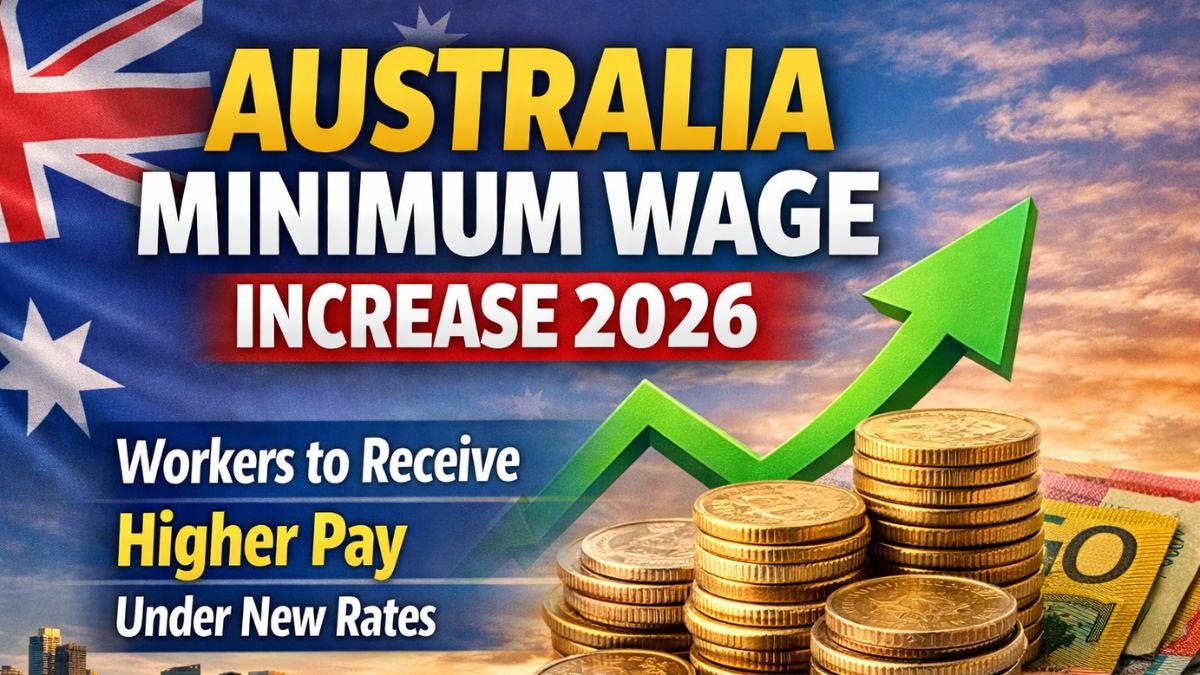
In 2026, Australia is set to witness a significant shift in its wage structure as the government introduces a new minimum wage increase aimed at supporting workers amid rising living costs. This move comes at a time when inflation, housing expenses, and everyday essentials continue to put pressure on household budgets. The revised wage rates are expected to benefit millions of employees across various industries, offering them improved financial stability and a better quality of life.
Why the Minimum Wage is Increasing
The decision to raise the minimum wage in Australia is largely driven by economic conditions and the need to ensure fair compensation for workers. Over the past few years, the cost of living has steadily increased, making it difficult for low-income earners to keep up with basic expenses. From groceries to rent and transportation, the financial burden has grown substantially.
The government and wage-setting authorities have recognized that without regular adjustments, minimum wage earners risk falling behind. The 2026 increase reflects an effort to bridge this gap, ensuring that workers receive wages that align more closely with current economic realities. It also aims to maintain a balance between supporting employees and ensuring businesses can continue to operate sustainably.
Impact on Workers
For workers, the wage increase is a welcome change that will directly improve their financial situation. Higher pay means greater ability to manage daily expenses, save for the future, and reduce reliance on financial assistance. Many employees in sectors such as retail, hospitality, and healthcare—where minimum wage jobs are more common—stand to benefit significantly.
Beyond financial relief, the increase also brings a sense of recognition and fairness. Workers often feel more motivated and valued when their efforts are adequately compensated. This can lead to improved productivity, job satisfaction, and overall well-being.
Effects on Businesses
While the wage hike benefits workers, it also presents challenges for businesses, particularly small and medium-sized enterprises. Employers may face increased labor costs, which could impact their profit margins. Some businesses might need to adjust their pricing strategies, reduce expenses elsewhere, or improve operational efficiency to manage the added costs.
However, there is also a positive side for businesses. Higher wages can lead to lower employee turnover, reducing recruitment and training costs. Additionally, when workers have more disposable income, consumer spending tends to rise, which can boost business revenue in the long run.
Economic Implications
The minimum wage increase is expected to have broader implications for the Australian economy. Increased earnings for workers can stimulate economic activity, as people spend more on goods and services. This, in turn, can support business growth and job creation.
At the same time, policymakers must carefully monitor inflation. If businesses pass on higher labor costs to consumers through increased prices, it could contribute to inflationary pressures. Striking the right balance between wage growth and economic stability remains a key challenge.
Challenges and Considerations
Despite its benefits, the wage increase is not without its challenges. Some critics argue that higher minimum wages could lead to reduced hiring, as businesses may become more cautious about expanding their workforce. Others worry about the potential for automation, as companies might invest in technology to offset rising labor costs.
There is also the question of regional differences. Living costs vary across Australia, meaning that a uniform wage increase may not address the needs of all workers equally. Policymakers may need to consider additional measures to ensure fairness across different regions.
What This Means for the Future
The 2026 minimum wage increase signals a broader commitment to improving living standards and addressing income inequality. It reflects an ongoing effort to adapt to changing economic conditions and ensure that workers are not left behind.
Looking ahead, regular reviews and adjustments to wage policies will be essential. As the economy evolves, so too must the strategies used to support both workers and businesses. The focus will likely remain on achieving sustainable growth while maintaining fairness in the labor market.
Conclusion
The Australia Minimum Wage Increase 2026 marks an important step toward better financial security for workers. By raising pay rates, the government aims to help individuals cope with rising living costs and improve their overall quality of life. While businesses may face certain challenges, the long-term benefits of increased consumer spending and employee satisfaction could outweigh the initial impact. Ultimately, the success of this initiative will depend on maintaining a careful balance between economic growth, business sustainability, and fair wages for all.
FAQs
Q1. When will the Australia minimum wage increase in 2026?
The new wage rates are expected to take effect from July 2026, following official announcements.
Q2. Who decides the minimum wage in Australia?
The Fair Work Commission is responsible for setting and reviewing minimum wages annually.
Q3. How much will the minimum wage increase in 2026?
The exact percentage varies, but it is expected to rise in line with inflation and economic conditions.