
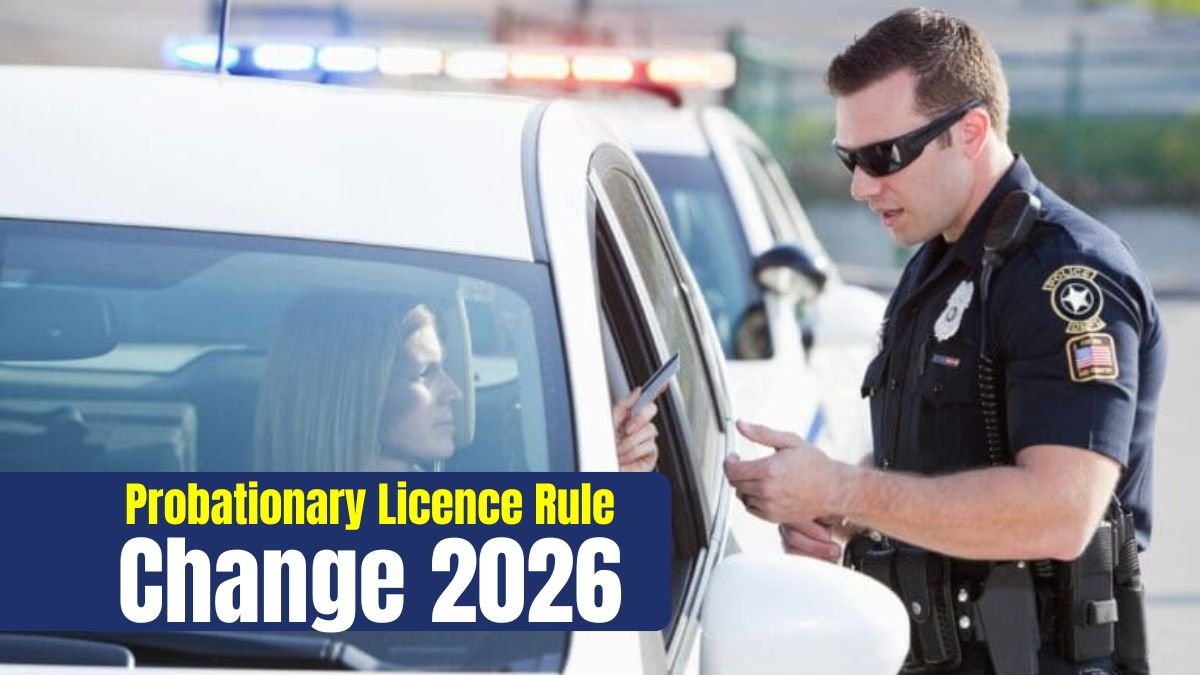
The year 2026 marks a significant turning point for probationary drivers, commonly known as P-plate drivers. Governments and road safety authorities are tightening regulations to reduce accidents involving inexperienced motorists. The latest probationary licence rule change introduces stricter enforcement measures, with one of the most notable being the risk of immediate licence suspension for certain violations.
For many young and newly licensed drivers, this update brings both concern and responsibility. Driving is no longer just about passing a test and following basic rules; it now demands a higher level of awareness, discipline, and accountability from the very beginning.
Understanding the Probationary Licence System
A probationary licence is issued to drivers who have recently passed their driving test but are still considered inexperienced. During this period, drivers are required to display P-plates on their vehicles and follow additional restrictions designed to promote safe driving habits.
These restrictions often include lower speed limits, stricter alcohol limits, passenger restrictions, and zero tolerance for risky behavior such as mobile phone usage while driving. The purpose of this system is to gradually transition new drivers into fully licensed motorists while minimizing road risks.
The 2026 rule change builds upon this framework, emphasizing stricter consequences for violations that were previously considered minor.
What Has Changed in 2026?
The new rule focuses on immediate suspension rather than delayed penalties. Previously, probationary drivers who committed traffic offences would accumulate demerit points, and suspension would occur only after reaching a certain threshold. Under the updated regulation, certain high-risk violations can now result in instant licence suspension.
This means that even a single serious mistake could temporarily remove a driver’s legal right to drive. Authorities believe that this approach will act as a stronger deterrent and encourage safer driving habits from day one.
Immediate Suspension: What It Means
Immediate suspension is exactly what it sounds like. If a P-plate driver commits a serious offence, their licence can be suspended on the spot by law enforcement officers. There is no waiting period, no gradual accumulation of penalties, and no second chances for specific violations.
This rule is particularly aimed at behaviors that significantly increase the risk of accidents. It shifts the focus from punishment after repeated offences to prevention through strict and immediate consequences.
For many drivers, this change introduces a new level of seriousness to everyday driving decisions.
Key Offences That Can Trigger Suspension
Several types of violations are now categorized as high-risk offences under the 2026 rules. Speeding well above the legal limit is one of the primary triggers. Authorities have identified excessive speed as a major factor in accidents involving young drivers.
Using a mobile phone while driving is another critical offence. Despite years of awareness campaigns, distracted driving continues to be a leading cause of road incidents. The new rule enforces a zero-tolerance approach for probationary drivers.
Driving under the influence of alcohol or drugs also falls under immediate suspension criteria. Probationary drivers typically have stricter or zero alcohol limits, and any breach is treated with maximum severity.
Dangerous driving behaviors such as street racing, reckless overtaking, or ignoring traffic signals are also included. These actions pose a direct threat not only to the driver but to everyone on the road.
Why Authorities Introduced This Rule
Road safety statistics have consistently shown that newly licensed drivers are more likely to be involved in accidents. Inexperience, overconfidence, and risk-taking behavior often contribute to these incidents.
Authorities introduced the 2026 rule change to address these issues more effectively. By implementing immediate consequences, they aim to create a strong psychological deterrent. The idea is simple: if drivers know that one mistake could cost them their licence instantly, they are more likely to think twice before engaging in risky behavior.
Another key reason is to protect other road users. Pedestrians, cyclists, and experienced drivers are often affected by the actions of inexperienced motorists. Stricter rules help create a safer environment for everyone.
Impact on Young and New Drivers
The new regulation significantly raises the stakes for probationary drivers. While it may seem harsh, it also encourages a more responsible approach to driving.
Young drivers will need to be more cautious, more attentive, and more disciplined behind the wheel. The margin for error has been reduced, making it essential to follow every rule carefully.
This change may also influence driving habits in the long term. Drivers who develop safe habits during their probationary period are more likely to continue those habits throughout their driving lives.
At the same time, the rule may create anxiety among new drivers. The fear of losing a licence instantly can be stressful, especially for those who rely on driving for work or education. However, this pressure can also serve as motivation to drive more responsibly.
Legal and Financial Consequences
Immediate suspension does not only affect a driver’s ability to drive; it can also lead to legal and financial consequences. Losing a licence can disrupt daily routines, including commuting to work or attending school.
In some cases, drivers may also face fines or additional penalties depending on the nature of the offence. Insurance premiums are likely to increase after a suspension, making driving more expensive in the future.
For repeat offenders, the consequences can be even more severe, including longer suspension periods or permanent licence cancellation.
How to Stay Safe and Avoid Suspension
Adapting to the new rules requires a proactive approach. Drivers must prioritize safety at all times and avoid behaviors that could lead to violations.
Maintaining focus while driving is essential. This means avoiding distractions such as mobile phones and ensuring full attention on the road. Following speed limits and traffic signals is equally important.
Understanding the specific rules for probationary drivers is crucial. Many drivers fail to realize that their restrictions differ from those of fully licensed drivers. Being aware of these differences can prevent unintentional violations.
Practicing defensive driving techniques can also help. Anticipating potential hazards and reacting calmly reduces the likelihood of accidents and offences.
Role of Education and Awareness
Education plays a vital role in the success of this rule change. Driving schools and licensing authorities must ensure that new drivers fully understand the updated regulations.
Awareness campaigns can help communicate the importance of safe driving and the consequences of violations. Social media, community programs, and school initiatives can all contribute to spreading this message.
Parents and guardians also have a role to play. Guiding young drivers and reinforcing safe habits can make a significant difference in their behavior on the road.
Public Reaction and Debate
The introduction of immediate suspension rules has sparked mixed reactions. Some people support the change, arguing that stricter laws are necessary to reduce accidents and save lives.
Others believe that the rule may be too harsh, especially for minor mistakes that could result in severe consequences. Critics argue that education and guidance should be prioritized over strict punishment.
Despite these debates, most agree that road safety is a critical issue that requires strong measures. The challenge lies in finding the right balance between enforcement and support.
Long-Term Benefits of the Rule Change
While the rule may seem strict initially, it has the potential to create long-term benefits. Safer driving habits developed during the probationary period can lead to a lifetime of responsible driving.
Reduced accident rates can also have broader social and economic benefits. Fewer accidents mean lower healthcare costs, less property damage, and improved overall road safety.
In the long run, the rule could contribute to a cultural shift where safe driving becomes the norm rather than the exception.
Conclusion: A Step Toward Safer Roads
The probationary licence rule change in 2026 represents a bold step toward improving road safety. By introducing immediate suspension for high-risk offences, authorities are sending a clear message about the importance of responsible driving.
For P-plate drivers, this change is both a challenge and an opportunity. It challenges them to adopt safer habits and take driving seriously from the very beginning. At the same time, it offers an opportunity to become more disciplined and aware drivers.
Ultimately, the success of this rule will depend on how well drivers adapt to it. With the right mindset and commitment to safety, probationary drivers can navigate these changes successfully and contribute to safer roads for everyone.
FAQs
1. What is the 2026 probationary licence rule change?
It introduces stricter penalties, including immediate suspension for serious violations by P-plate drivers.
2. Who are P-plate drivers?
They are probationary drivers who have recently passed their driving test and are under restricted licence conditions.
3. What offences can lead to instant suspension?
Serious offences like speeding, reckless driving, or violating key licence conditions may trigger suspension.