
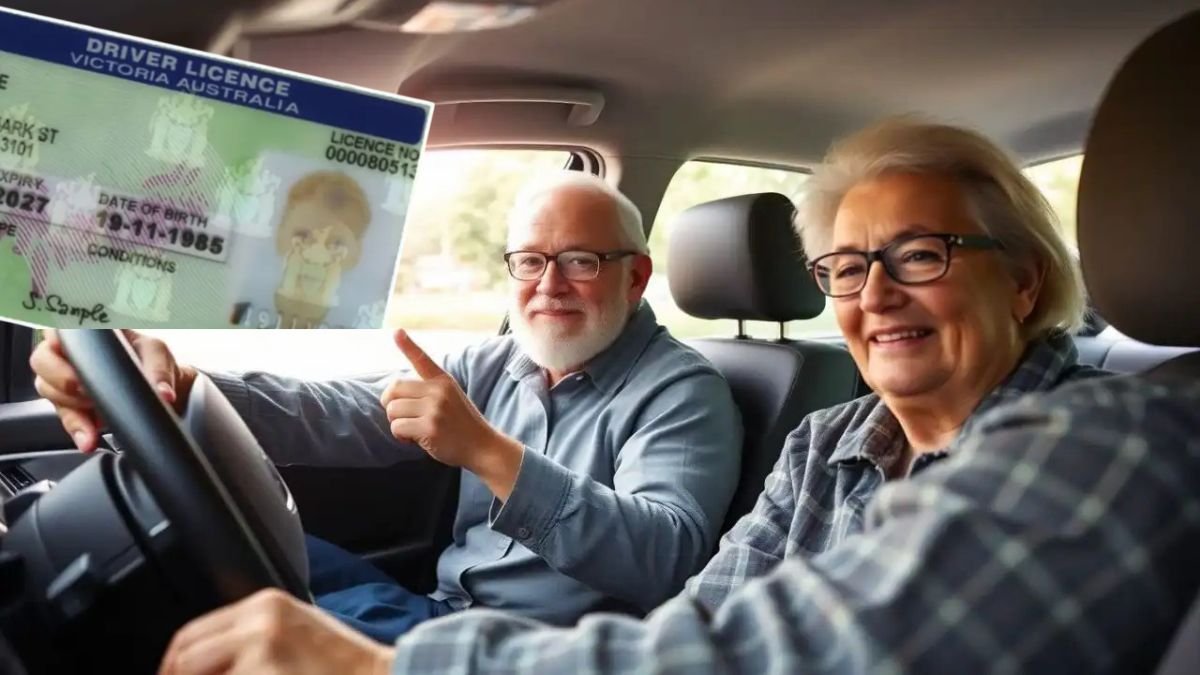
New Driving Licence Rules for Seniors Aged 70+ Begin March 2026 Nationwide: For many seniors living in Australia, driving is not merely a means of getting from one place to another; it is a vital part of their independence, daily routine, and social connection. For individuals like 73-year-old Colin, who resides in regional New South Wales, owning a car provides the freedom to visit the doctor, meet friends, and handle daily errands independently. Consequently, when news emerged regarding new driving license regulations set to take effect in 2026, it naturally sparked anxiety among many seniors. This concern was not centered on safety itself, but rather on the potential impact these changes would have on their personal independence.
What is set to change starting March 2026?
Effective March 20, 2026, new driving license regulations are being implemented in Australia for individuals aged 70 and older. Previously, regulations varied across different states; however, efforts have now been made to make these rules more standardized and consistent. The most significant change is that regular medical examinations will become mandatory for drivers once they reach the age of 70. In certain instances—particularly if an individual has a pre-existing health condition—these medical assessments may be required to commence even earlier.
Furthermore, the validity period for license renewals has been shortened. While licenses were previously valid for up to five years, they will now require renewal every one to three years. Additionally, the use of “conditional licenses” will be expanded, allowing seniors to continue driving subject to specific conditions or restrictions.
Why were these new regulations deemed necessary?
Australia’s elderly population is growing rapidly, and an increasing number of people remain active drivers well into their 70s and 80s. However, aging inevitably brings about certain physical and cognitive changes—such as declining eyesight, slowed reaction times, or the onset of various medical conditions. The government’s objective is not to revoke anyone’s license, but rather to proactively identify and mitigate potential risks in order to ensure continued road safety for everyone.
How will the medical examinations be conducted?
Under the new regulations, a medical examination will be required at the time of every license renewal for drivers aged 70 and over. This examination will typically be conducted by a general physician or a medical specialist. It will involve assessing eyesight, cognitive abilities, physical fitness, and the potential side effects of medications.
In most cases, seniors pass these examinations with ease. However, if an individual faces specific challenges, their license may be continued under certain conditions rather than being revoked entirely.
Shorter License Validity Periods
Under the new regulations, the validity period of driver’s licenses has been shortened, making it easier for authorities to monitor the health status of seniors. While this may appear to entail a little extra effort, its primary objective is to mitigate sudden, unforeseen risks.
What is a Conditional License?
The conditional license is the most practical component of this new framework. Rather than barring seniors from driving altogether, it permits them to drive subject to specific conditions—such as driving only during daylight hours, limiting their driving range to a certain distance from home, or avoiding congested areas. This system has been designed to safeguard both the safety and the independence of seniors.
What Do Seniors’ Experiences Suggest?
Some seniors who have already undergone this process describe the system as well-balanced. Marilyn, a 76-year-old resident of South Australia, manages her daily routine with ease despite not being permitted to drive at night. Similarly, Peter, 71, recently cleared his medical examination and had his license renewed without any complications.
Perspectives from the Government and Experts
Government officials maintain that these changes have been implemented to strike a balance between safety and personal independence. According to experts, age-related physiological changes often occur gradually, and individuals may not always perceive these changes themselves. Consequently, regular medical examinations play a crucial role in detecting such issues in a timely manner.
How Can Seniors Prepare?
Seniors and their families can prepare in advance for these new regulations. Regular health checkups, vision tests, and periodic reviews of medications are essential. Additionally, engaging in future planning with family members—such as exploring alternative transportation options—can prove highly beneficial.
Conclusion
These new driving license rules, set to take effect in March 2026, may appear to be major changes at first glance; however, their primary objective is to preserve the independence of seniors while ensuring their safety. This system is based on capability rather than age, thereby allowing competent seniors to continue driving for a longer period. With the right information and preparation, this transition can make the lives of seniors even safer and more balanced.
FAQs
Q. When will the new driving rules start?
A. The new rules will begin on 20 March 2026.
Q. Who do the new rules apply to?
A. They apply to drivers aged 70 years and above in Australia.
Q. What is the biggest change?
A. Mandatory medical assessments for seniors starting at age 70.